
-
Mr. P Mindset Editorial Team
A federal order lets PJM call on Talen Energy's Wagner Unit 4 when the regional grid needs it.
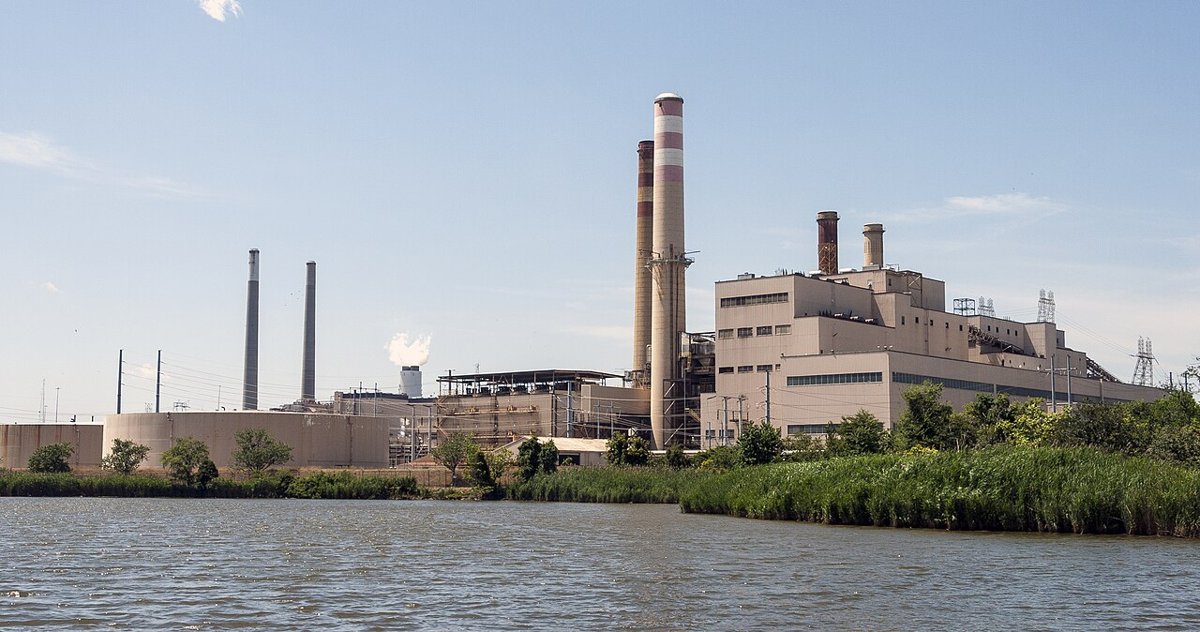
The U.S. Department of Energy on Wednesday renewed an emergency order that lets regional grid operator PJM call on a Maryland generating unit through Dec. 31. The decision covers Unit 4 at Talen Energy's Wagner Generating Station in Anne Arundel County, not every unit at the plant.
The order identifies Wagner Unit 4 as a 397-megawatt unit at its summer rating. The generating unit normally faces a limit of 438 hours per calendar year when burning fuel oil under a Maryland environmental consent order. The federal extension gives PJM a way to dispatch it beyond that limit when specified reliability conditions warrant, including during certain generation or transmission emergencies.
This is not a directive for the plant to operate around the clock. DOE limited additional generation to hours PJM determines it needs under the order and included reporting requirements. That distinction matters: keeping a plant available gives the operator a backstop, but how much electricity it actually supplies depends on whether and when it is called.
The renewal is a short-term reliability measure rather than a plan to build new generating capacity. It also shows why capacity on paper is not the same as electricity a grid operator can actually call on. A unit may be installed and connected, yet unavailable beyond limits on how it runs.
The most useful follow-up will be how often PJM relies on the unit through December, and whether the Energy Department must revisit the arrangement after its year-end expiration.
Photo: The Herbert A. Wagner Generating Station seen from across the water in Maryland in June 2012. File photo. Acroterion / Wikimedia Commons | https://commons.wikimedia.org/wiki/File:Herbert_A._Wagner_plant_MD1.jpg | CC BY-SA 4.0 | https://creativecommons.org/licenses/by-sa/4.0/ | Resized to fit.
Sources:
https://www.energy.gov/articles/energy-secretary-acts-protect-mid-atlantic-grid-0
https://www.energy.gov/documents/202-26-25b-wagnerSources
- https://www.energy.gov/articles/energy-secretary-acts-protect-mid-atlantic-grid-0
- https://www.energy.gov/documents/202-26-25b-wagner
-

Mr. P Mindset Editorial Team
Commercial crude stocks rose 3.4 million barrels, but the increase did not erase a year-over-year shortfall.
U.S. commercial crude inventories rose to 417.8 million barrels in the week ended Nov. 13, up roughly 3.4 million barrels from the previous week, the Energy Information Administration reported Wednesday. Even after that increase, the EIA's historical series showed commercial stocks were about 6.4 million barrels below the comparable week in 2025.
Those readings answer different questions. The weekly rise shows that the commercial system ended the period with more crude on hand. The annual comparison shows the companies relying on that inventory still had less of a buffer than at this point last year. A weekly report does not establish whether that shortfall will persist.
Crude also tells only part of the story. The same report put motor gasoline inventories at 215.9 million barrels, up about 5.2 million on the week and above the year-earlier count. Distillate inventories, which include diesel and heating oil, rose about 1.6 million barrels on the week but remained below their year-ago level. Different stocks can move in different directions over the same period.
The headline crude number leaves out the Strategic Petroleum Reserve, the federal government's emergency supply. Excluding it helps distinguish the oil held in the commercial system from barrels the government holds against disruptions.
For refiners and fuel suppliers, the next question is whether the extra crude and fuel are still there after several more weekly reports. One inventory snapshot cannot tell drivers what they will pay at the pump.
Photo: An oil pumpjack in Natrona County, Wyoming, in February 2008. File photo. David Korzilius / Bureau of Land Management via Wikimedia Commons | https://commons.wikimedia.org/wiki/File:Oil_and_Gas_(29186943363).jpg | CC BY 2.0 | https://creativecommons.org/licenses/by/2.0/ | Resized to fit.
Sources:
https://www.eia.gov/petroleum/supply/weekly/
https://www.eia.gov/dnav/pet/hist/LeafHandler.ashx?f=W&n=PET&s=WCESTUS1
https://www.energy.gov/hgeo/opr/strategic-petroleum-reserveSources
- https://www.eia.gov/petroleum/supply/weekly/
- https://www.eia.gov/dnav/pet/hist/LeafHandler.ashx?f=W&n=PET&s=WCESTUS1
- https://www.energy.gov/hgeo/opr/strategic-petroleum-reserve
-

Mr. P Mindset Editorial Team
The MBA's conforming rate reached 7.35%, and applications to buy a home fell 3% from the prior week.
U.S. mortgage application volume fell 2.3% on a seasonally adjusted basis in the week ended Nov. 13, the Mortgage Bankers Association reported Wednesday. Applications to buy a home fell 3% after seasonal adjustment and were 18% below the same week a year earlier on an unadjusted basis.
The survey's average contract rate for a 30-year fixed conforming mortgage rose to 7.35% from 7.21%. That figure describes loans within the survey's $832,750 conforming balance threshold at an 80% loan-to-value ratio. Points, which include the origination fee in the MBA comparison, also edged higher. This is one lender survey's benchmark, not the rate every borrower was quoted.
The dollar difference is easier to see than the change in the rate. On a hypothetical $350,000, 30-year loan, principal and interest would come to roughly $2,378 a month at 7.21% and $2,411 at 7.35%. The difference is about $33 a month, before taxes, insurance or fees. A buyer facing the same monthly budget has a little less room at the higher rate.
Refinance applications dropped 2% for the week and 54% from a year earlier. The MBA said applications to refinance mortgages backed by the Federal Housing Administration rose nearly 7% on the week, an exception to the broader decline. Different borrowers can face different incentives even as the headline index moves one way.
Applications capture borrowers entering the loan process, not completed sales. The report gives lenders and real estate businesses a timely sign that demand cooled during the survey week, but it cannot show how many of those loans will close.
Photo: A real estate sign advertises an open house in July 2026. File photo; not linked to the survey. Rick Obst / Wikimedia Commons | https://commons.wikimedia.org/wiki/File:Home_for_Sale_and_Open_House_signs.jpg | CC BY 4.0 | https://creativecommons.org/licenses/by/4.0/ | Resized to fit.
Sources:
https://www.mba.org/news-and-research/newsroom/news/2026/11/18/mortgage-applications-decrease-in-latest-mba-weekly-surveySources
November 19, 2026 -

Mr. P Mindset Editorial Team
The new model can handle long documents and mixed media, but what it costs to finish a job will matter more to businesses than its starting rate.
Google rolled out Gemini 4 Neon on Wednesday, adding a model aimed at tasks that take more than one exchange with a chatbot. Google says Neon can work with spreadsheets, PDFs, images, audio and video in the same request and can carry up to one million tokens of context, a measure of how much information the system can consider.
For developers buying access through an application programming interface, the launch announcement lists prices of $3 per million input tokens and $15 per million output tokens. Google lists a lower rate of $0.15 per million cached input tokens when material can be reused. Tokens are units the model uses to break down information, not a count of documents. Output traffic at the listed base rates costs five times as much per token as new input.
Those rates help buyers compare models, but they do not say what a real assignment costs. A model that needs retries or produces output that takes hours to check may cost more overall, even with a competitive starting rate. Google reported strong results on several evaluations and said users can select among four levels of reasoning. A company’s own test cases will still tell it more about whether Neon is worth using for a particular job.
Google said Neon is rolling out through Google AI Studio, Gemini for business and select paid consumer and developer plans. That gives parent Alphabet (Nasdaq: GOOGL) several places to sell access. The announcement did not quantify adoption or forecast revenue from Neon. The first business signal to watch is whether customers move recurring work onto it, not just whether they try it.
Photo: Google signage at the Googleplex in Mountain View, California, in June 2019. File photo. Gregory Varnum / Wikimedia Commons | https://commons.wikimedia.org/wiki/File:Googleplex_-_June_2019_%285849%29.jpg | CC BY-SA 4.0 | https://creativecommons.org/licenses/by-sa/4.0/ | Resized for publication.
Sources:
https://blog.google/innovation-and-ai/models-and-research/gemini-models/introducing-gemini-4-neon/Sources
November 19, 2026 -
Mr. P Mindset Editorial Team
The Claude maker priced 980 million shares. The $81.34 billion offering total includes stock sold by existing holders, and the first trade is still ahead.
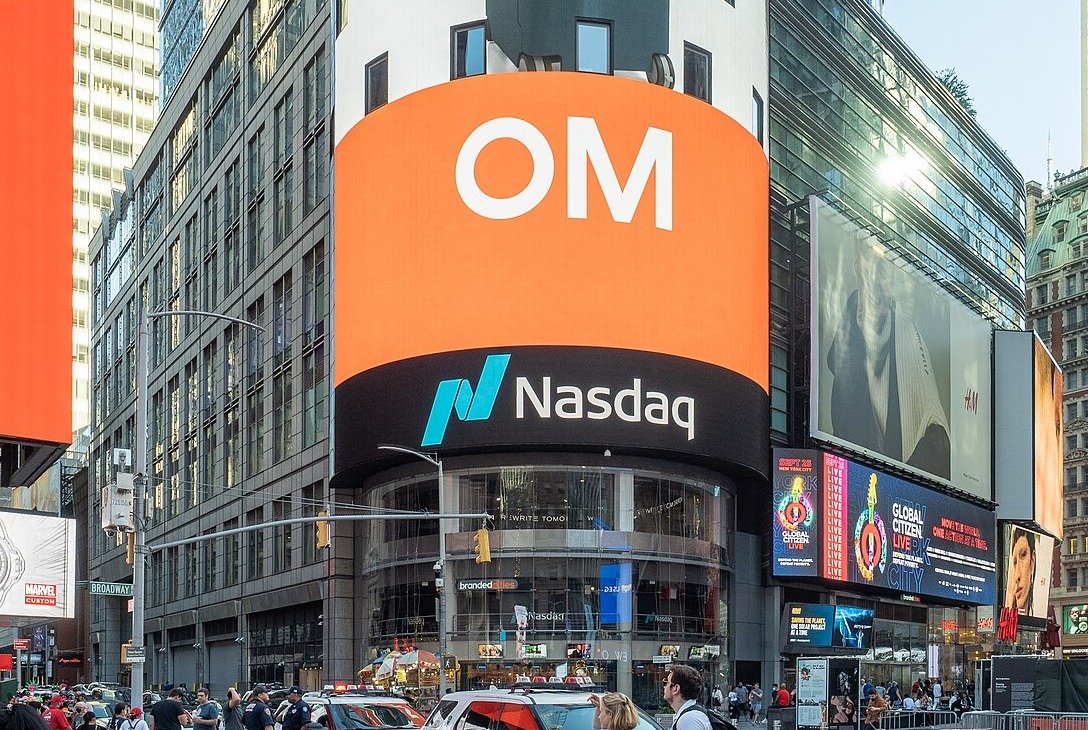
Anthropic priced its initial public offering at $83 a share Wednesday, the first firm price in a deal that will bring the maker of Claude to the public market. The company expects its Class A shares to begin trading Thursday on the Nasdaq Global Select Market under the symbol ANT. The first trade can come in above or below $83.
The 980 million shares in the priced offering add up to $81.34 billion at the offer price, before fees. About 956.4 million of those shares are being sold by Anthropic, representing roughly $79.38 billion before fees. Existing holders are selling about 23.6 million shares, worth roughly $1.96 billion at the offer price. Anthropic will not receive that portion.
That split matters because headlines about the size of an IPO can make it sound like every dollar flows to the company. Sales by existing holders transfer their stock to new shareholders; they do not add cash to the company. And the value of the offering is not a valuation of the whole business, which would also have to account for shares outside the deal.
The Nasdaq registration certification is on file with the Securities and Exchange Commission. Anthropic expects the offering to close Friday, subject to customary conditions, and has given underwriters a 30-day option to buy up to another 147 million shares. Those shares are not part of the $81.34 billion base offering.
The next observable test is the opening trade: the offer price tells readers where the deal was sold, while the opening price will show where public buyers and sellers first agree to transact.
Photo: Nasdaq MarketSite in New York’s Times Square, September 2021. The file photo does not show Anthropic’s offering or debut. Ajay Suresh / Wikimedia Commons | https://commons.wikimedia.org/wiki/File:Nasdaq_MarketSite_%2851494550508%29.jpg | CC BY 2.0 | https://creativecommons.org/licenses/by/2.0/ | Cropped and resized for publication.
Sources:
https://www.anthropic.com/news/anthropic-prices-initial-public-offering
https://www.sec.gov/Archives/edgar/data/2130357/000135445726001088/ANT_8A_Cert_0002130357.pdfSources
- https://www.anthropic.com/news/anthropic-prices-initial-public-offering
- https://www.sec.gov/Archives/edgar/data/2130357/000135445726001088/ANT_8A_Cert_0002130357.pdf
-
Mr. P Mindset Editorial Team
The company says it reached agreement with the FDA on a planned Phase 3 study. It still has to show the drug makes a difference.
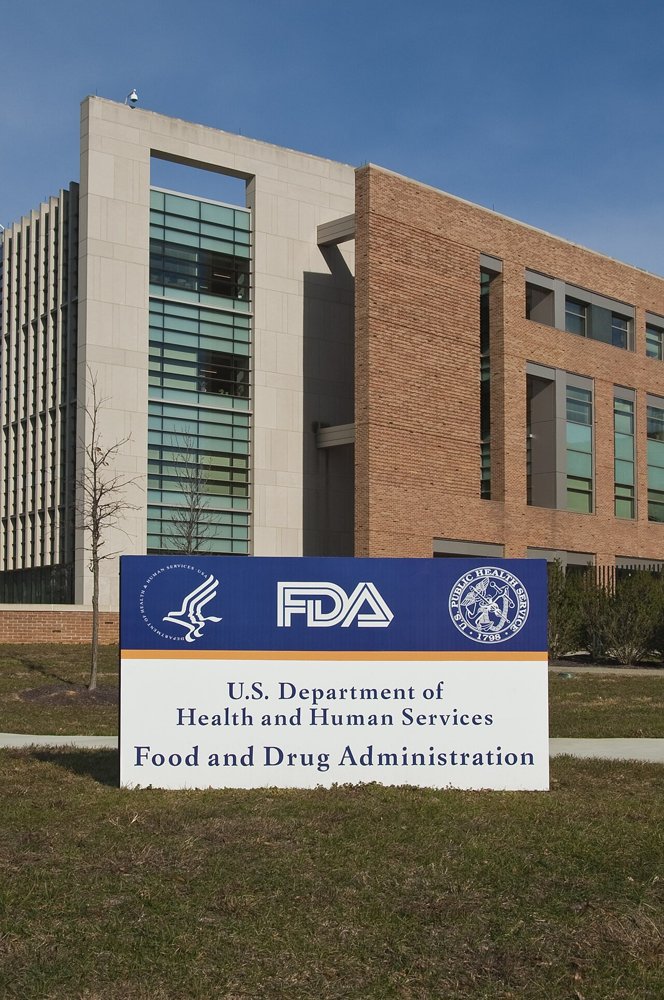
Recursion Pharmaceuticals said Nov. 18 that it had aligned with the Food and Drug Administration on the design of a late-stage trial for REC-4881. The experimental drug is intended for people with familial adenomatous polyposis, an inherited condition that causes many polyps to develop and raises the risk of colorectal cancer.
The trial is expected to begin in the second half of 2027 and enroll about 200 adults who have previously had surgery to remove their colon, with or without removal of the rectum. Participants will be assigned by chance to the drug or a placebo, and both groups will undergo endoscopic monitoring.
The study’s main measure goes beyond simply counting polyps. It tracks how long participants go before a defined event, such as removal of a polyp of at least 10 millimeters in the upper or lower digestive tract, meeting criteria for certain surgeries, developing cancer or a precancerous change called high-grade dysplasia, or dying from any cause. The study is designed around when those events occur, not just a change observed at a single visit.
Recursion previously reported a reduction in polyp burden in its ongoing earlier-stage TUPELO study. The new trial asks whether that signal corresponds to fewer or later consequential events in a controlled comparison. Agreement on what to measure gives the program a clearer route to a possible application. It does not mean the FDA has approved the drug or decided whether it works.
Photo: The FDA’s White Oak campus entrance in Silver Spring, Maryland, in a 2010 file photo. U.S. Food and Drug Administration / Wikimedia Commons | https://commons.wikimedia.org/wiki/File:FDA_Sign_%26_Bldg_21_at_Entrance_%285205198800%29.jpg | U.S. public domain | https://creativecommons.org/publicdomain/mark/1.0/ | Resized to fit.
Sources:
https://ir.recursion.com/news-releases/news-release-details/recursion-announces-alignment-fda-registrational-phase-3-trial
https://clinicaltrials.gov/study/NCT05552755Sources
- https://ir.recursion.com/news-releases/news-release-details/recursion-announces-alignment-fda-registrational-phase-3-trial
- https://clinicaltrials.gov/study/NCT05552755
-
Mr. P Mindset Editorial Team
Pacira became a wholly owned subsidiary on Nov. 17. Viatris expects $90 million to $100 million in additional revenue through year-end.
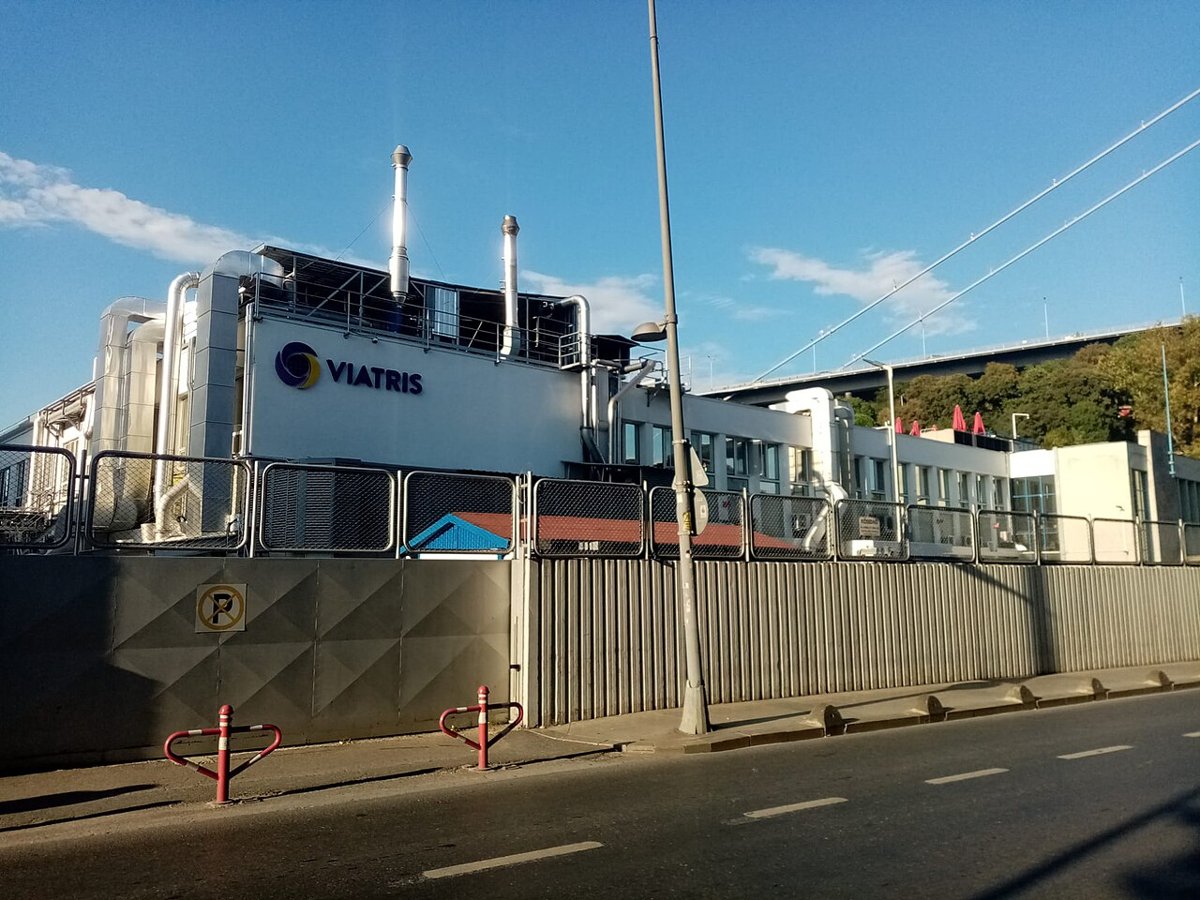
Viatris completed its purchase of Pacira BioSciences on Nov. 17, adding a business built around non-opioid pain treatments. The drugmaker paid $36.50 a share in cash under the offer, according to its closing announcement. Pacira is now a wholly owned subsidiary, ending its run as a separate Nasdaq-listed company.
Holders tendered about 32.9 million shares, or 66.46% of Pacira’s outstanding stock. Viatris acquired the remaining shares through the merger at the same cash price. Viatris said in an SEC filing that it would fund the purchase with cash on hand and short-term borrowing.
The immediate financial effect is easier to isolate than the long-term payoff. Viatris expects Pacira to add $90 million to $100 million in revenue from the closing through Dec. 31. That is a forecast for roughly six weeks of sales, not a full-year projection or an estimate of added profit. Borrowing costs and integration expenses are separate considerations.
For Viatris, whose portfolio includes generics and established brands as well as newer medicines, the deal adds a larger presence in non-opioid pain management. The closing ends the uncertainty over whether the transaction will go through. The next set of financial reports can show how the acquired business contributes beyond the short initial reporting period, and how much of that revenue translates into earnings.
Photo: A Viatris pharmaceutical facility in Istanbul, photographed in 2023. The site is not a Pacira facility. Harald the Bard / Wikimedia Commons | https://commons.wikimedia.org/wiki/File:Viatris_Pharmaceutical_Plant_in_Istanbul,_Ortak%C3%B6y.jpg | CC BY-SA 4.0 | https://creativecommons.org/licenses/by-sa/4.0/ | Resized to fit.
Sources:
https://newsroom.viatris.com/2026-11-17-Viatris-Completes-Acquisition-of-Pacira-BioSciences
https://www.sec.gov/Archives/edgar/data/1792044/000114036126044356/ef20085674_8k.htmSources
- https://newsroom.viatris.com/2026-11-17-Viatris-Completes-Acquisition-of-Pacira-BioSciences
- https://www.sec.gov/Archives/edgar/data/1792044/000114036126044356/ef20085674_8k.htm
-
Mr. P Mindset Editorial Team
The 2027 rate adds $78 a year for people paying the standard premium. The annual deductible is rising separately.
Medicare beneficiaries who pay the standard Part B premium will owe $209.40 a month in 2027, up from $202.90 this year. The Centers for Medicare & Medicaid Services announced the final amount on Nov. 17 and said projected growth in health spending was the main reason for the increase.
The $6.50 monthly increase adds $78 over a full year at the standard rate. The Part B annual deductible will also rise, from $283 to $292. Those charges work differently: The premium is the monthly cost of carrying coverage; the deductible is an amount a beneficiary may have to pay for covered services before Medicare begins paying its share. Beneficiaries do not necessarily spend the full deductible each year.
Part B covers services such as doctors’ visits, outpatient hospital care and certain medical equipment. Inpatient hospital coverage falls under Part A, and Part D helps cover prescription drugs. Their costs are not included in the $209.40 figure. CMS also publishes higher Part B premium amounts for some people based on income, so the standard rate is not everyone’s bill.
For household budgets, the premium is the more predictable change. The deductible depends on the care someone uses and is only one part of possible out-of-pocket spending. For a person paying the standard premium for all 12 months, the premium alone comes to $2,512.80 in 2027, before any applicable deductible, coinsurance or other coverage costs.
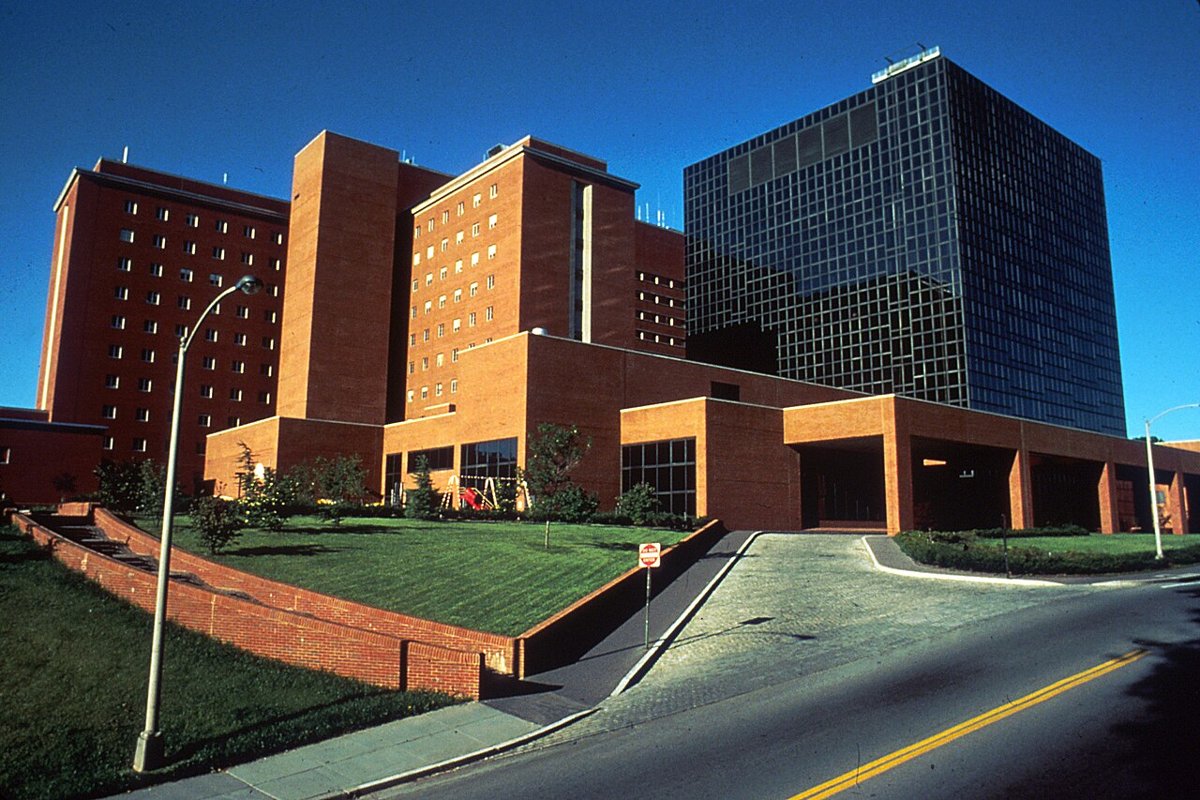
Photo: The NIH Clinical Center in an October 1985 file photo. Bill Branson / National Cancer Institute | https://visualsonline.cancer.gov/details.cfm?imageid=2227 | U.S. public domain | https://creativecommons.org/publicdomain/mark/1.0/ | Resized to fit.
Sources:
https://www.cms.gov/newsroom/fact-sheets/2027-medicare-parts-b-premiums-deductiblesSources
November 19, 2026 -

Mr. P Mindset Editorial Team
A preliminary SEC filing outlines a product that would hold Zcash. It does not establish a launch date or a management fee.
Bitwise has outlined plans for a fund tied to Zcash, a cryptocurrency that offers both public and privacy-protected transaction options. A Nov. 17 registration statement filed with the Securities and Exchange Commission identifies the Texas Stock Exchange as the anticipated listing venue and proposes ZEC as the ticker. The filing is preliminary; it does not mean the fund is available to trade.
The trust would hold Zcash and use a benchmark based on trades across several crypto platforms to calculate the value of its assets. The aim would be to give brokerage customers exposure to the token’s price after expenses, without requiring them to hold it in their own wallets. The draft does not yet specify an annual management fee.
There is a difference between getting exposure to Zcash and using it. Someone who buys fund shares would own an interest in the trust, not a balance of tokens they can send across the network. Likewise, holding the shares would not remove the risk of a drop in the token’s price. Fund shares could also trade above or below the value of the assets they represent.
The proposed venue is worth noting for another reason: the Texas Stock Exchange is based in Dallas and already lists other exchange-traded products. The remaining questions for this fund include its final fees and when, if at all, the listing begins.
Photo: The Dallas skyline in a file photo. Dallas is home to the proposed listing venue, the Texas Stock Exchange. Steve Johnson / Wikimedia Commons | https://commons.wikimedia.org/wiki/File:Dallas_Texas.jpg | CC BY-SA 2.0 | https://creativecommons.org/licenses/by-sa/2.0/ | Resized to fit.
Sources:
https://www.sec.gov/Archives/edgar/data/2152975/000119312526465692/ck0002152975-20261117.htm
https://www.txse.com/tradingSources
- https://www.sec.gov/Archives/edgar/data/2152975/000119312526465692/ck0002152975-20261117.htm
- https://www.txse.com/trading
-
Mr. P Mindset Editorial Team
A December roundtable will consider whether stablecoins and tokenization could help support round-the-clock derivatives clearing.
Trading on a Sunday is one thing. Moving collateral on a Sunday is another. The Commodity Futures Trading Commission put that distinction on the agenda for a Dec. 15 public roundtable on what it would take to keep derivatives markets running outside their usual hours.
The agency’s Nov. 17 announcement points to overnight and weekend trading, staffing and operational readiness. The published agenda also asks how stablecoins and tokenization could help with clearing, the process that manages the obligations arising from trades.
A derivatives position can require more collateral if prices move against it. That collateral, known as margin, helps protect the system if a participant cannot meet its obligations. Expanding trading hours raises questions about when participants can move cash or other eligible assets to cover those requirements, especially when conventional payment channels or the teams that support them are unavailable.
Stablecoins are digital tokens designed to track the value of a reference asset such as the U.S. dollar. Tokenization puts a digital representation of an asset on a shared ledger. Faster transfers could help with some timing problems, but a clearing system would still need to establish which assets to accept and how to value them under stress.
The meeting is a discussion, not a rule or approval to use stablecoins as margin. Its value will be in clarifying which problems digital assets could solve and which still require changes to market operations.
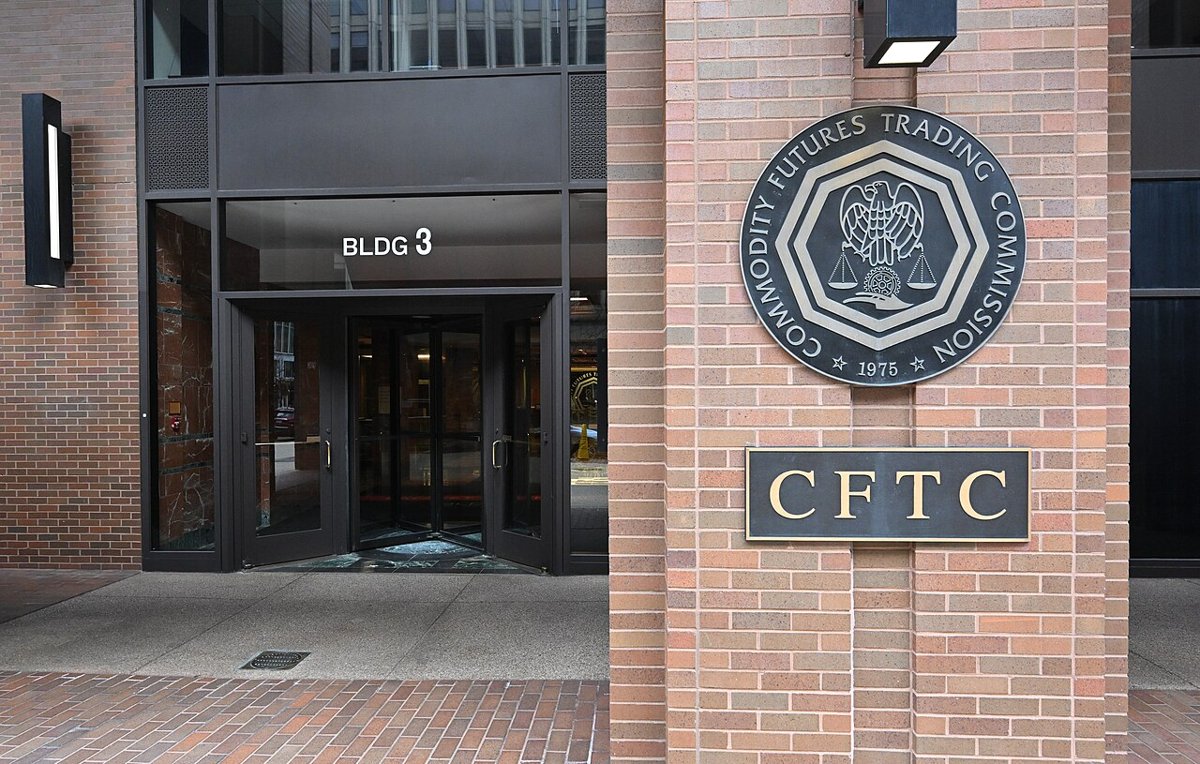
Photo: The entrance to CFTC headquarters in Washington, D.C., photographed in March 2026. G. Edward Johnson / Wikimedia Commons | https://commons.wikimedia.org/wiki/File:Commodity_Futures_Trading_Commission_entrance_Washington_DC_2026-03-15_08-47-48.jpg | CC BY 4.0 | https://creativecommons.org/licenses/by/4.0/ | Resized to fit.
Sources:
https://www.cftc.gov/PressRoom/PressReleases/9327-26
https://www.cftc.gov/media/14941/RoundtablePublicFacing_Agenda121526/downloadSources
- https://www.cftc.gov/PressRoom/PressReleases/9327-26
- https://www.cftc.gov/media/14941/RoundtablePublicFacing_Agenda121526/download
