
Written by
pmindsetin
Daily Perspective November 26, 2026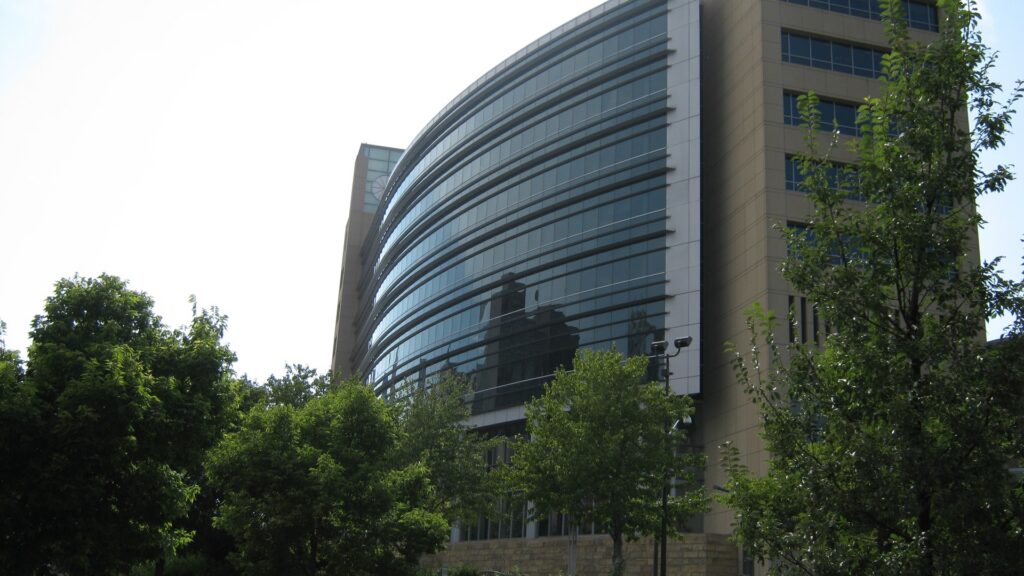
Photo credit
MR. P MINDSET
The Federal Reserve’s latest Beige Book described a U.S. economy growing in most regions without a clear pickup in household spending. Eight of the Fed’s 12 districts reported slight to moderate growth, and four reported no change. Consumers remained selective about what they bought, according to the national summary published Wednesday.
Spending on travel and tourism held up, but the report described a more mixed picture for entertainment and hospitality. Auto sales softened, and contacts pointed to higher fuel costs and interest rates. Manufacturing increased modestly as strength in some industrial businesses offset weaker demand for goods tied to consumers and housing.
Employment edged higher overall, though many employers said they were replacing departing workers rather than expanding payrolls. Contacts continued to report difficulty filling some technical jobs. Firms also faced higher costs for energy, transportation, insurance and other inputs. In general, those costs rose faster than the prices businesses charged their customers, the Fed said. Competition and shoppers’ resistance to higher prices limited how much firms could pass on.
The Beige Book is based on reports and interviews from the regional banks, not a random survey or a count of actual sales. Its November findings do not announce a change in interest rates. They show why a report that most regions are growing can sit alongside weak demand in car showrooms and continued pressure on household budgets.
Photo: The Federal Reserve Bank of Minneapolis, photographed in 2010. File photo. Innotata / Wikimedia Commons | https://commons.wikimedia.org/wiki/File:Federal_Reserve_Bank_of_Minneapolis_building_2.jpg | CC BY-SA 3.0 https://creativecommons.org/licenses/by-sa/3.0/ | Cropped and resized; adapted photo under the same license.
Sources:
https://www.federalreserve.gov/monetarypolicy/beigebook202611-summary.htm
https://www.federalreserve.gov/monetarypolicy/beigebook202611.htm
Sources
- https://www.federalreserve.gov/monetarypolicy/beigebook202611-summary.htm
- https://www.federalreserve.gov/monetarypolicy/beigebook202611.htm
