
Written by
pmindsetin
Healthcare November 18, 2026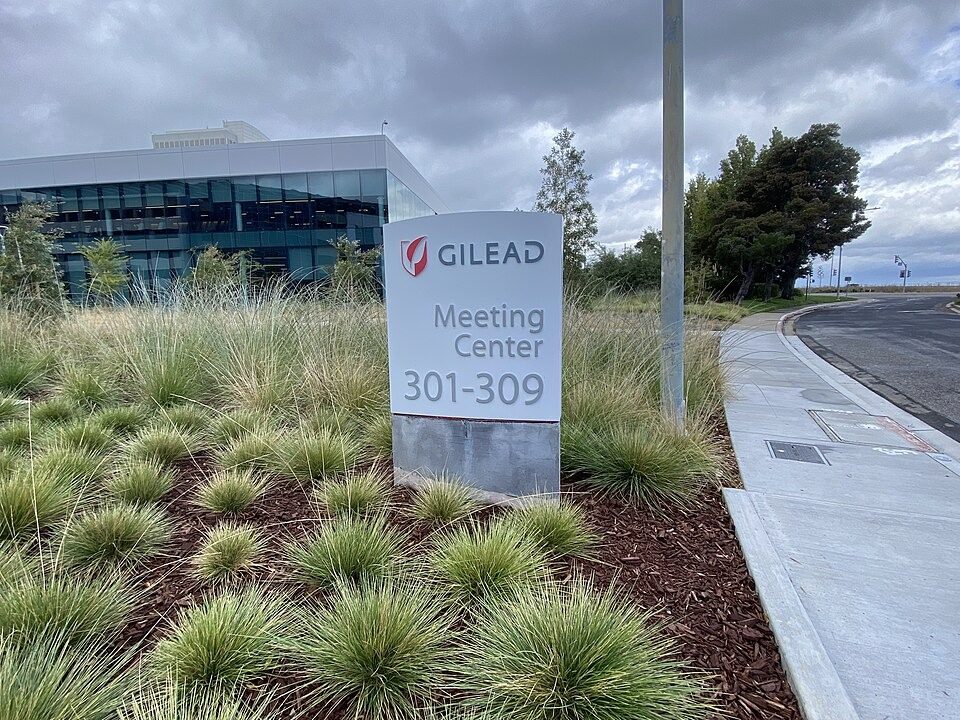
Photo credit
The shared ingredient is lenacapavir. Almost everything else about two recent announcements differs, from the people eligible to receive the product to the organizations that might buy it. On November 12, a European medicines committee recommended revised wording for Gilead's Sunlenca tablets in HIV treatment. Earlier in November, an access partnership announced that a generic injectable version of lenacapavir for HIV prevention had received tentative approval from the U.S. Food and Drug Administration. Treating both announcements as one broad approval would obscure what changed for patients and purchasers alike.
Start with the European decision. Sunlenca already has an authorization. The committee was reviewing a variation to the terms of that authorization for the tablets. It described their use with other antiretrovirals in adults with multidrug-resistant HIV-1 for whom constructing a suppressive antiviral regimen would otherwise be impossible. It specified two roles for the tablets, oral loading before a long-acting injection and oral bridging. The European Medicines Agency explicitly said the indication for the injectable formulation remained the same.
Why a tablet can matter to an injectable product
A treatment described as long acting can still involve care before an injection and planning between visits. Loading refers to the beginning of treatment. Bridging describes covering an interval in a regimen under specified conditions. The distinction helps explain why a company would seek clearer wording for a tablet associated with an injection. The operational question is how a treatment program works over time, including when a planned visit cannot take place exactly as expected.
The public opinion is a summary of a regulatory recommendation. It gives neither an individual schedule nor instructions for changing the timing of treatment. The regulator said detailed recommendations would appear in updated European product information after a Commission decision. For a healthcare company analyst, that sequence sets a boundary on the commercial claim. This is news about a particular part of an existing treatment program. It gives no basis to count all adults living with HIV as newly eligible customers.
Now consider the separate development announced on November 2. Dr. Reddy's Laboratories secured FDA tentative approval for a generic long-acting injectable version of lenacapavir for prevention. The Clinton Health Access Initiative and its partners described the regulatory milestone and an agreement setting a price of $40 per person per year for eligible countries covered by Gilead's voluntary license. The partnership identified 120 low- and middle-income countries in the license. That geographic qualification belongs next to the price whenever the figure is reported.
What a price agreement buys
A price per person per year allows a procurement team to start estimating the cost of medicine for a program. At $40, the annual drug cost for 10,000 people would be $400,000 if all received a complete year at the stated price. That arithmetic is an illustration. It says nothing about how many people have actually received an injection, how much inventory has shipped, or whether a particular ministry has committed that amount of money. Those are facts about delivery and purchasing that require their own evidence.
The same distinction applies to what a clinic spends. A national procurement price covers a specified product under agreed terms. Delivering a prevention service can also require appointments, qualified staff, appropriate testing, record keeping and reliable distribution. A clinic with existing capacity might absorb some of the work; one with few available appointments might need additional resources. Consequently, the drug price is valuable information without being an estimate of the full cost per person served in every country.
Tentative approval also has a particular meaning. The announcement marked a route toward quality-assured procurement for international programs. It did not establish ordinary U.S. retail availability of a generic at the partnership's price. Country-level registration and procurement arrangements matter, as do funding and supply. A reader following Dr. Reddy's potential sales would need evidence of orders. Someone following access to prevention would reasonably ask where appointments are available. The regulatory document alone answers neither question.
One ingredient, different markets
Consider two procurement teams. One is attached to a European specialist service treating adults with complex drug resistance. It wants the final product information governing the use of oral tablets alongside the rest of the regimen. The other is planning a public health prevention program in a country covered by the voluntary license. It needs to know whether the generic injectable is eligible for its funding channel, how much it can order and when it will arrive. Handing the second team the European treatment opinion would leave its most important questions unanswered.
For Gilead, one development concerns the terms attached to an originator product. The other concerns how a licensing arrangement can bring other manufacturers into supply for a defined set of markets. An originator's sales, generic manufacturers' shipments and the number of people benefiting are different measures. A program could expand the number of people served without generating an equivalent increase in originator product revenue. Translating a public health opportunity directly into a company sales estimate would ignore the commercial arrangement that helped make the opportunity possible.
For public health organizations, progress can be measured in stages. Quality review supports procurement decisions. A signed order establishes a commitment. Receipt of stock establishes local supply. Completed visits establish that the product reached people. Following those steps separately makes it easier to identify the actual limiting factor. A country with available stock and too few appointments faces a different problem from a country with trained teams waiting for delivery.
November's two announcements deserve attention on their own terms. The European committee recommended a specific change affecting treatment tablets, with a Commission decision still to follow. The earlier generic milestone concerned a different formulation, purpose and purchasing arrangement. Keeping the formulation, population, jurisdiction and date attached to each claim makes the news more useful than any single headline about expanding access. It also gives readers concrete evidence to watch for next, from final European wording to verified international purchases and deliveries.
Reporting sources Sunlenca – opinion on variation to marketing authorisation | European Medicines Agency (EMA) · U.S. FDA approves first generic injectable lenacapavir for HIV prevention – Clinton Health Access Initiative · Lenacapavir: Why a newly approved generic version of the blockbuster HIV drug won’t be available in the areas that need it most · Approval of a cheap version of HIV-prevention shot lenacapavir raises hopes in low-income countries · ## PrEP Initiations by Product

